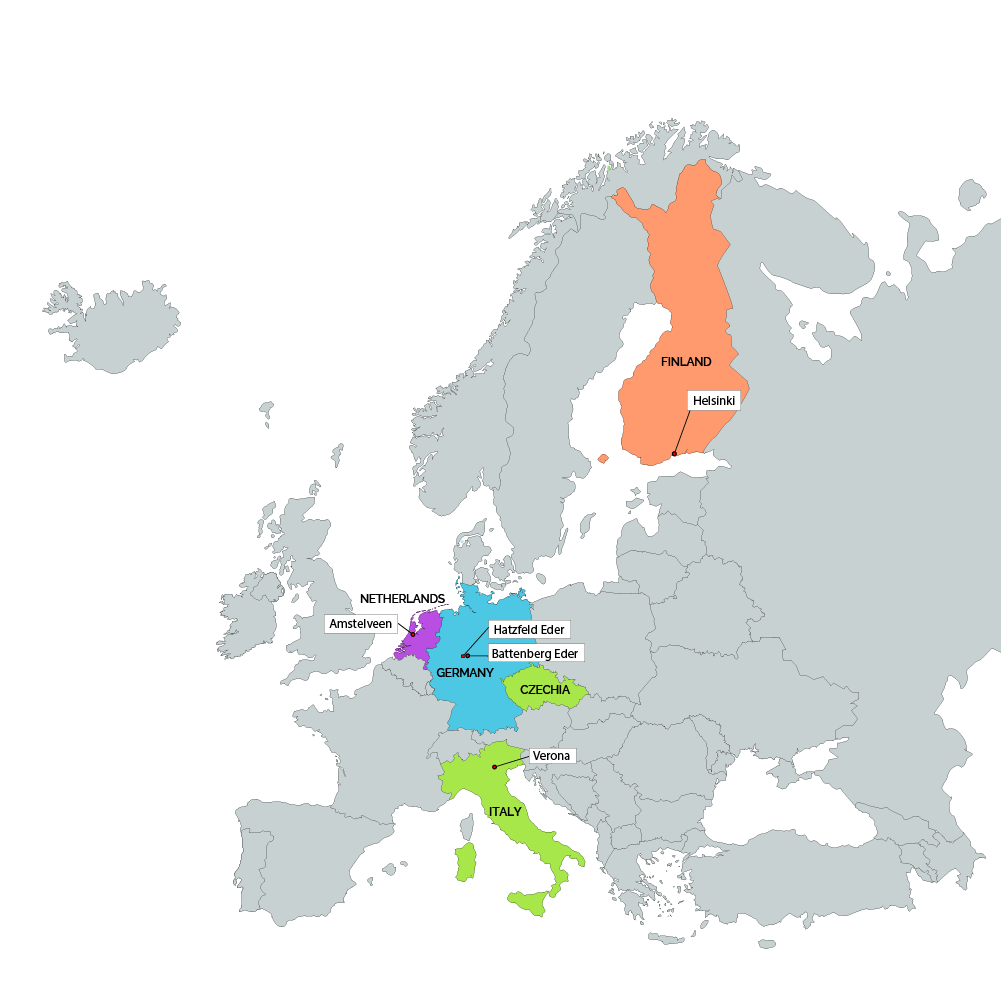
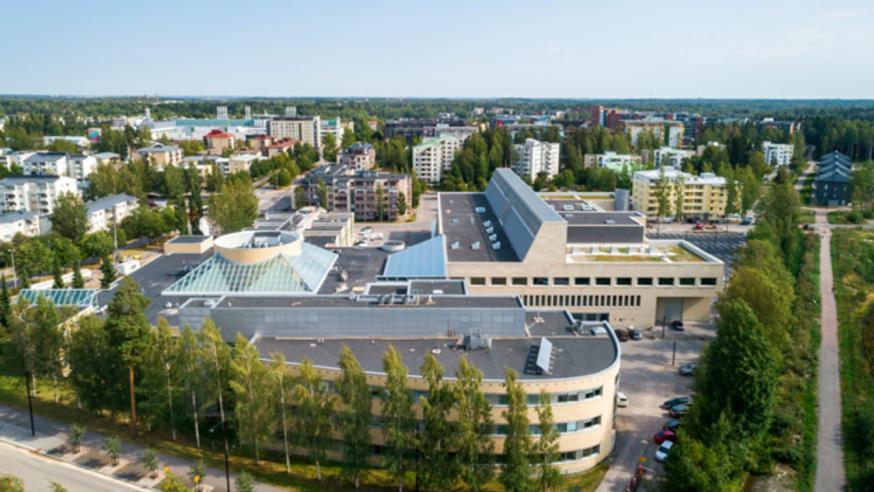
Several European cities will serve as Living Lab environments in the project for analyzing energy resilience.
A Living Lab is an open innovation ecosystem where new ideas and solutions are developed and tested in a real-world context.
In a Living Lab, the development process moves forward in iterative stages, with feedback collected from users at each stage. This continuous feedback allows for the adaptation and improvement of innovations during their development, resulting in a better-functioning solution that meets user needs.

Context
Verona, a North-Eastern Italian city with about 265,000 inhabitants, combines rural and urban areas with high energy needs and limited renewable production.
The Municipality promotes sustainability through plans like PAESC and PSTE, aiming for climate neutrality by 2030.
It also launched its first Renewable Energy Community and collaborates with other cities to share solutions.
Objectives
Urban Regeneration & Energy Transition
Impact Framework
Context
Helsinki, with 675,750 residents and over 1.3 million in the metro area, aims to be carbon neutral by 2030.
The city has already reduced emissions by nearly one-third since 1990. It promotes sustainable growth through innovation, energy cooperation, and green business models.
Objectives
Impact Framework
Context
The city has 93.000 inhabitants.
The municipality has set a goal to reduce CO2 emissions by 95% compared to 1990 levels.
Amstelveen is member of the European Craft Cities program, as a part of the New European Bauhaus initiative.
Objectives
Impact Framework
Context Battenberg
Battenberg (Eder), a small town in Hesse, is part of the inter-municipal climate protection project in the Ederbergland region, which includes a total of 21,236 inhabitants.
The goal is to significantly reduce greenhouse gas emissions through a long-term strategy.
A key element is the development of an energy and CO₂ balance for all districts, from which concrete measures are derived and implemented together with neighboring municipalities.
Context Hatzfeld
Hatzfeld (Eder), a small town in Hesse, is part of the inter-municipal climate protection project in the Ederbergland region, which includes a total of 21,236 inhabitants.
With the help of federal and state funding, it plans to carry out an energy-efficient modernization of the community center.
This will save around 293,000 kWh per year—equivalent to 29,300 liters of heating oil—and reduce CO₂ emissions by 69 tons annually, cutting climate-damaging greenhouse gases by 90%.
Objectives
Urban Regeneration & Energy Transition
Impact Framework
The project is coordinated by EURAC Research, Italy. This research-oriented approach project aims to create a framework model for cities that addresses four energy resilience principles: Availability, Accessibility, Affordability, and Alliance.
The 4A4PEDs project involves a diverse consortium of 15 partners from 5 EU countries. These partners include research and educational institutions, city authorities, and businesses. Co-applicants are Eurac Research, Metropolia University of Applied Sciences, Amsterdam University of Applied Sciences, Frankfurt University of Applied Sciences and VSB Technical University of Ostrava.
The project is expected to last for 36 months, starting in October 2024 and ending in October 2027. The keywords describing the project are energy resilience, accessibility, availability, affordability, and alliance. The total project costs are estimated at €2.057.203,00, with requested funds amounting to €1.539.680,50.
Eurac Research, Italy, coordinator of the project
City of Verona, Italy
Amsterdam University of Applied Sciences, Netherlands
City of Amstelveen, Netherlands
Alliander, Netherlands
Metropolia University of Applied Sciences, Finland
City of Helsinki, Finland
City of Vantaa, Finland
City of Espoo, Finland
Eeneman, Finland
Voltan Energy, Finland
Frankfurt University of Applied Sciences, Germany
City of Battenberg, Germany
City of Hatzfelt, Germany
VSB Technical University of Ostrava, Czechia
The project is funded through the EU's Driving Urban Transition (DUT) program, that supports the transformation of urban areas in their effort to become more sustainable and energy-efficient while promoting the well-being of residents.
This project has been funded by Italian Ministry for Universities and Research (MUR), Business Finland, Regieorgaan SIA, Bundesministerium für Wirtschaft und Klimaschutz (BMWK), and Technology Agency of the Czech Republic (TA CR) under the Driving Urban Transitions Partnership, which has been co-funded by the European Union.
Stay up to date with the latest from the 4A4PEDs project by following us on LinkedIn.
We share:
Join the conversation and be part of a growing network for more sustainable, inclusive cities.
Are you working on urban energy transformation or do you have some questions regarding our project? Let’s connect!
Our e-mail: 4a4peds@metropolia.fi