Occupational Therapy – a Career Where You Can Make a Difference in People’s Everyday Lives
Occupational therapists work with people of all ages and in many different life situations – from children and working-age adults to older people and people recovering from mental health challenges. The aim is to help people participate in their everyday lives as independently and meaningfully as possible.
Jasu Forss, Head of the Occupational Therapy Degree Programme at Metropolia, describes occupational therapy as a career for people who are genuinely interested in people and their everyday lives.
–In occupational therapy, we look at the person, their environment and their everyday activities, and at how these three dimensions interact. If you are interested in what makes life meaningful to people, occupational therapy could be the right field for you.
One Degree, Many Career Opportunities
Occupational therapy is a regulated health care profession in Finland, and working as a licensed occupational therapist requires an appropriate degree and professional authorisation.
Many people are surprised by the wide range of career opportunities available to occupational therapists. After graduation, occupational therapists can work in hospitals, health centres, private rehabilitation services, mental health services, services for older people and initiatives aimed at preventing social exclusion. Career opportunities can also be found in services for children and young people, non-governmental organisations, expert and development roles, as well as entrepreneurship.
Occupational therapy expertise is increasingly needed beyond traditional health care and social services. Population ageing, the growing emphasis on mental health and work ability, and the development of preventive services are creating new needs for rehabilitation professionals. At the same time, digitalisation, multidisciplinary collaboration and changes in wellbeing services are opening up new possibilities for occupational therapists both in Finland and internationally.
You Do Not Need a Previous Background in Health Care
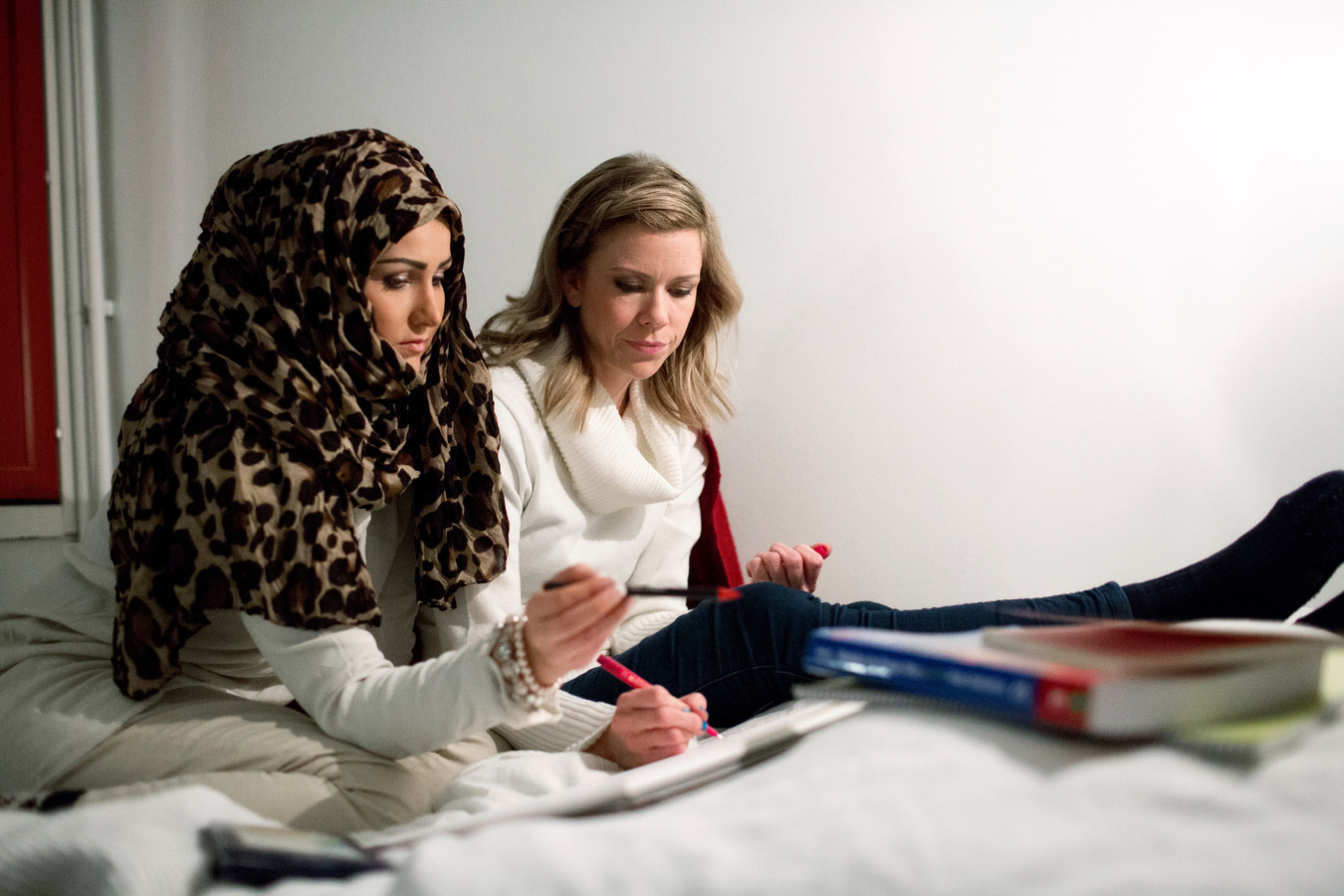
You do not need previous experience in health care or social services to apply for Occupational Therapy. Students can, for example, apply directly after completing upper secondary education. The student community includes people at very different stages of life, from those in their twenties to students over the age of 50.
According to Forss, what matters most is a genuine interest in people.
Students who thrive in occupational therapy are interested in meeting different kinds of people, willing to develop themselves and ready to step into new situations. The studies require active participation and a willingness to reflect on your own learning together with other students.
For international students, learning Finnish is also an important part of becoming an occupational therapy professional in Finland. Finnish language skills are developed throughout the degree programme, with the aim of reaching B2-level proficiency by graduation. This helps students develop the language skills needed to work with clients and professionals in Finnish and supports their opportunities to build a career in Finland.
Practical Skills Develop Throughout Your Studies
The degree is delivered in a blended learning format, combining on-campus teaching with online and independent study. Online learning may include independent assignments, studying literature, online learning activities and remote teaching.
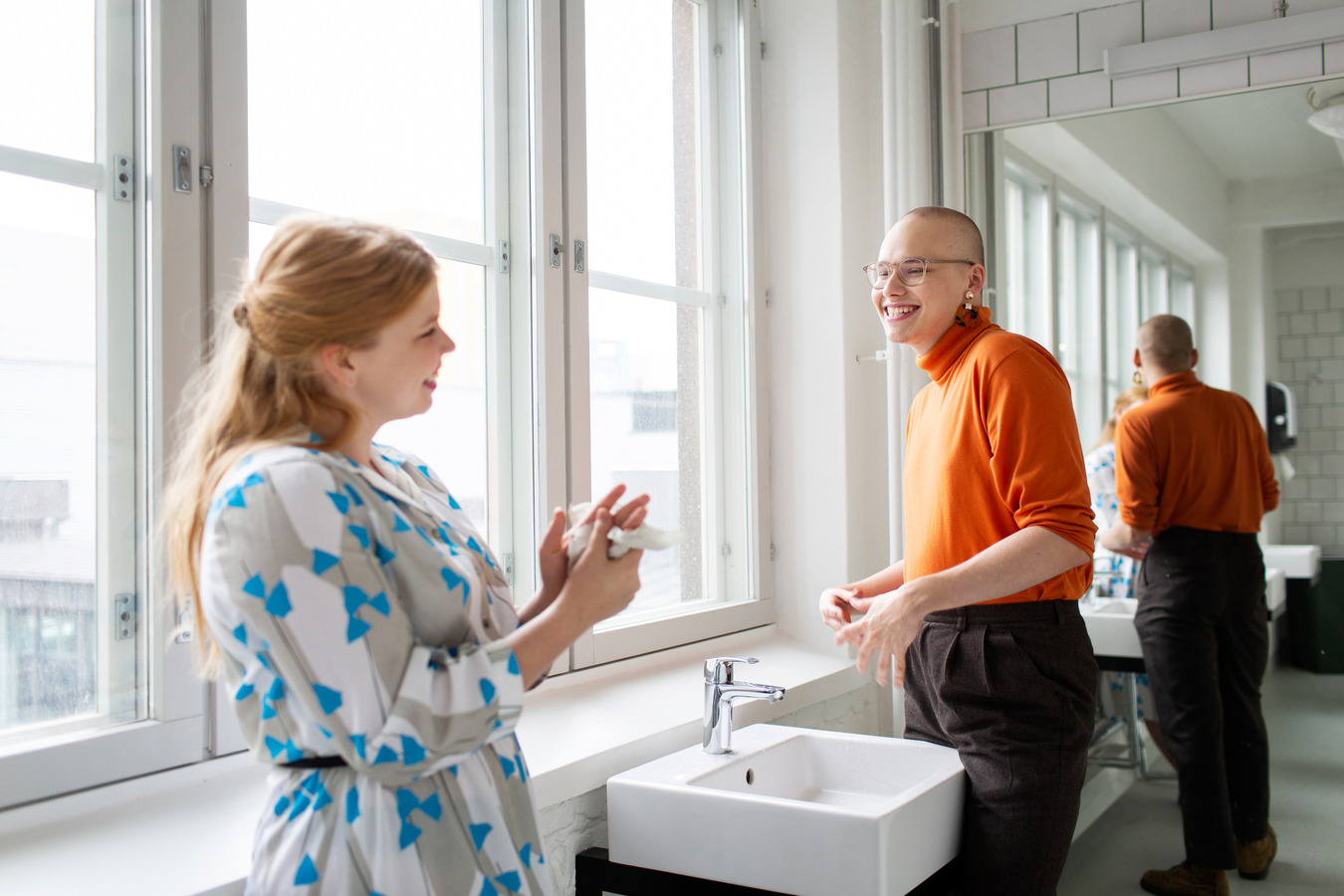
On-campus study days, organised a few times a month, bring the profession to life through workshops, simulations, practising client situations and collaborative learning. Students also complete four practical training periods in different professional environments during their studies.
Learning by doing is an essential part of the programme. From the beginning of the degree, students learn how to turn the theories and knowledge base of occupational therapy into practical professional skills. Practical training and simulations provide opportunities to deepen theoretical knowledge and apply it in real-life situations.
Alumni and working-life partners also contribute to the learning environment, for example as visiting speakers and collaborators.
As Finland’s largest university of applied sciences, Metropolia also offers opportunities for multidisciplinary learning. Occupational Therapy students study selected courses together with other Finnish and international students in health care and social services. This allows students to build networks, learn from different professional perspectives and benefit from Metropolia’s broad multidisciplinary expertise.
Moving to Finland? Support Is Available
Starting your studies in a new country involves much more than adapting to a new academic environment. Finding a home, navigating Finnish services and building a new everyday life can all raise questions.
Metropolia’s Welcome Hub supports international students in settling into life at Metropolia and in the Helsinki metropolitan area. Students can receive personalised guidance on practical matters such as dealing with public authorities, housing and city services, services for families with children, and settling into everyday life in Finland. The Welcome Hub also organises information sessions, events and networking opportunities for international students.
Support is available both before and after arriving in Finland, and students can also arrange online guidance meetings when needed. International students can access information on studies, everyday life, wellbeing, career planning and job searching through services coordinated by the Welcome Hub and other Metropolia support services.
Decades of Experience in Occupational Therapy Education
Metropolia has educated occupational therapists for more than five decades. This long experience is reflected in the quality of teaching, strong working-life networks and an experienced teaching team.
According to Forss, all lecturers teaching occupational therapy subjects are qualified occupational therapists themselves. They also hold a Master’s-level degree and professional teacher qualifications. In addition, they have extensive practical experience with different client groups and in developing working-life practices.
The lecturers are also involved in international professional networks. Teaching is developed in close cooperation with working life to ensure that students gain competencies that respond to the changing needs of the profession.
Forss himself has worked in the field of occupational therapy for around 30 years.
– I found occupational therapy 30 years ago, and I have never regretted my career choice. My career has included working in both the public and private sectors, as well as in projects and as an entrepreneur. Today, I work as Head of the Degree Programme and in a managerial role. I think my own career is a good example of how an Occupational Therapy degree can open up many different career paths.”
In addition to its extensive teaching experience, Metropolia follows current international developments and standards in occupational therapy education. The curriculum and development of teaching draw on the competence framework of the European Network of Occupational Therapy in Higher Education (ENOTHE) and take into account the minimum standards set by the World Federation of Occupational Therapists (WFOT).
A Future-Focused Career for People Interested in People
According to Forss, occupational therapy offers the opportunity to build many different kinds of careers. One graduate may find their place in rehabilitation for children, another in work ability assessment, while someone else may become an entrepreneur or move into an expert or development role.
What these career paths have in common is the opportunity to make a concrete difference in people’s everyday lives.
– Learning in occupational therapy does not end when you graduate. The field is constantly evolving, and that is exactly what makes it so interesting. Every working day offers an opportunity to learn something new about people, society and yourself.”
The Bachelor’s Degree Programme in Occupational Therapy will be open for applications in the January 2027 Joint Application, with studies beginning in autumn 2027. The programme is taught in English at Metropolia’s Myllypuro Campus in Helsinki, comprises 210 ECTS credits and is designed to be completed in 3.5 years.
Explore the Bachelor's Degree Programme in Occupational Therapy