Learning Robotics by Doing – Metropolia's New Degree Programme Combines Technology and Entrepreneurship
Learning Theory When It Matters
Metropolia's Robotics degree programme aims to move beyond traditional boundaries between subjects. Rather than studying physics, mathematics and programming as separate disciplines, students learn to apply them in practical situations.
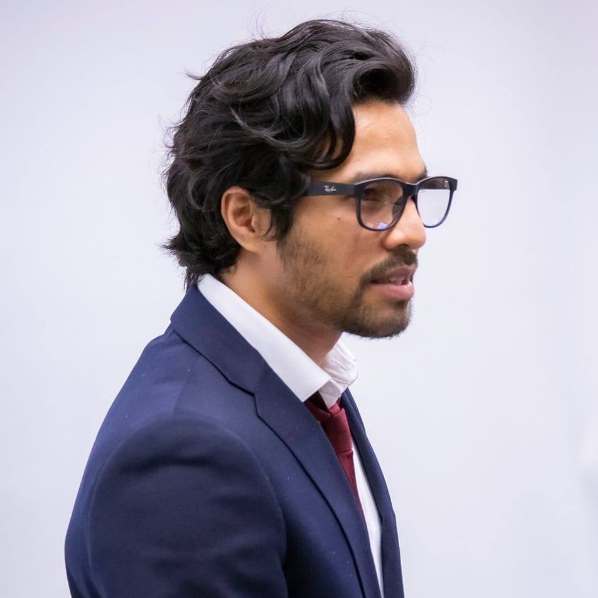
Senior Lecturer in Robotics Jawad Yasin explains that teaching focuses on real-world challenges and finding solutions to them.
For example, when designing the movement of a robot, students need to understand concepts such as velocity, motion and mathematical principles. These concepts are introduced when students encounter situations in which they are needed.
“When students understand why they need certain knowledge, learning becomes more natural. Our goal is to combine theory and practice so that they support each other,” Yasin explains.
The programme uses integrated learning modules that bring together several areas of expertise. Students are encouraged to experiment, investigate and develop solutions independently.
Combining Technical Skills with an Entrepreneurial Mindset
Technical expertise is only one part of robotics education. Students are also encouraged to consider what real-world needs technology can address and how new ideas might develop into business opportunities.
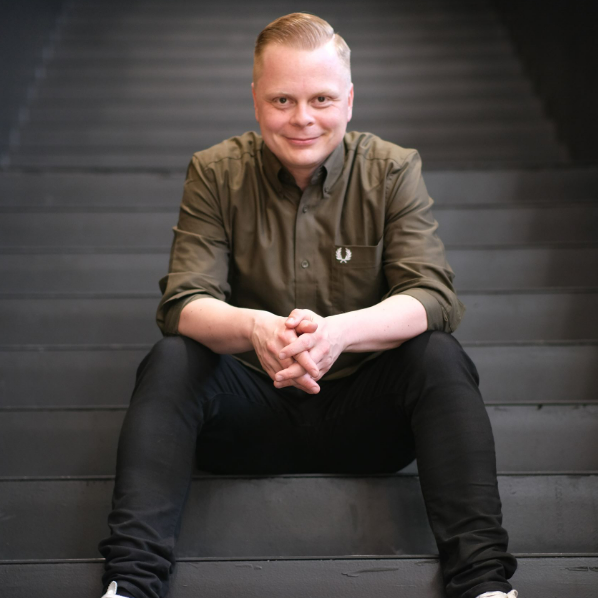
Lecturer Timo Nykopp brings expertise in entrepreneurship, innovation and business development to the programme.
“We want students to develop problem-solving skills and learn to recognise opportunities for innovation and business in the challenges they encounter,” Nykopp says.
Yasin and Nykopp have collaborated in teaching, combining technical content with entrepreneurial thinking. Students are encouraged not only to understand how a technical solution works, but also why it is needed and who could benefit from it.
According to Nykopp, an entrepreneurial mindset is valuable even for students who do not plan to start their own businesses. Initiative, creativity and the ability to recognise opportunities are equally important when working within established organisations.
A Student's Perspective: Finding Joy in Programming
First-year Robotics student Mirve Saarainen became interested in the field while attending a previous training programme in automation design. She was particularly drawn to programmable logic controllers and programming, and wanted to develop her skills further.
In her previous work, Saarainen had opportunities to observe colleagues working on production lines, robotics and product development. However, she wanted to gain more hands-on experience herself.
At Metropolia, she has already built simple electrical circuits and worked with Arduino, an electronics platform used for programming and prototyping.
“I've really enjoyed working with Arduino. I like being able to build things with my own hands,” Saarainen says.
Programming has been particularly interesting to her, as she enjoys logical thinking and solving problems.
Her first months of studies have also brought a sense of achievement. Saarainen has successfully completed most of her programming assignments, while group activities on an innovation course have offered opportunities for brainstorming and collaborative problem-solving.
Not everything has been easy, however. Working with electrical circuits has sometimes felt challenging, particularly when she has been unsure whether the components are connected correctly.
“But it gets easier as you learn more,” she says.
As a member of the programme's first student group, Saarainen is looking forward to discovering what the upcoming courses and practical projects will involve.
Developing Independent Thinkers and Problem-Solvers
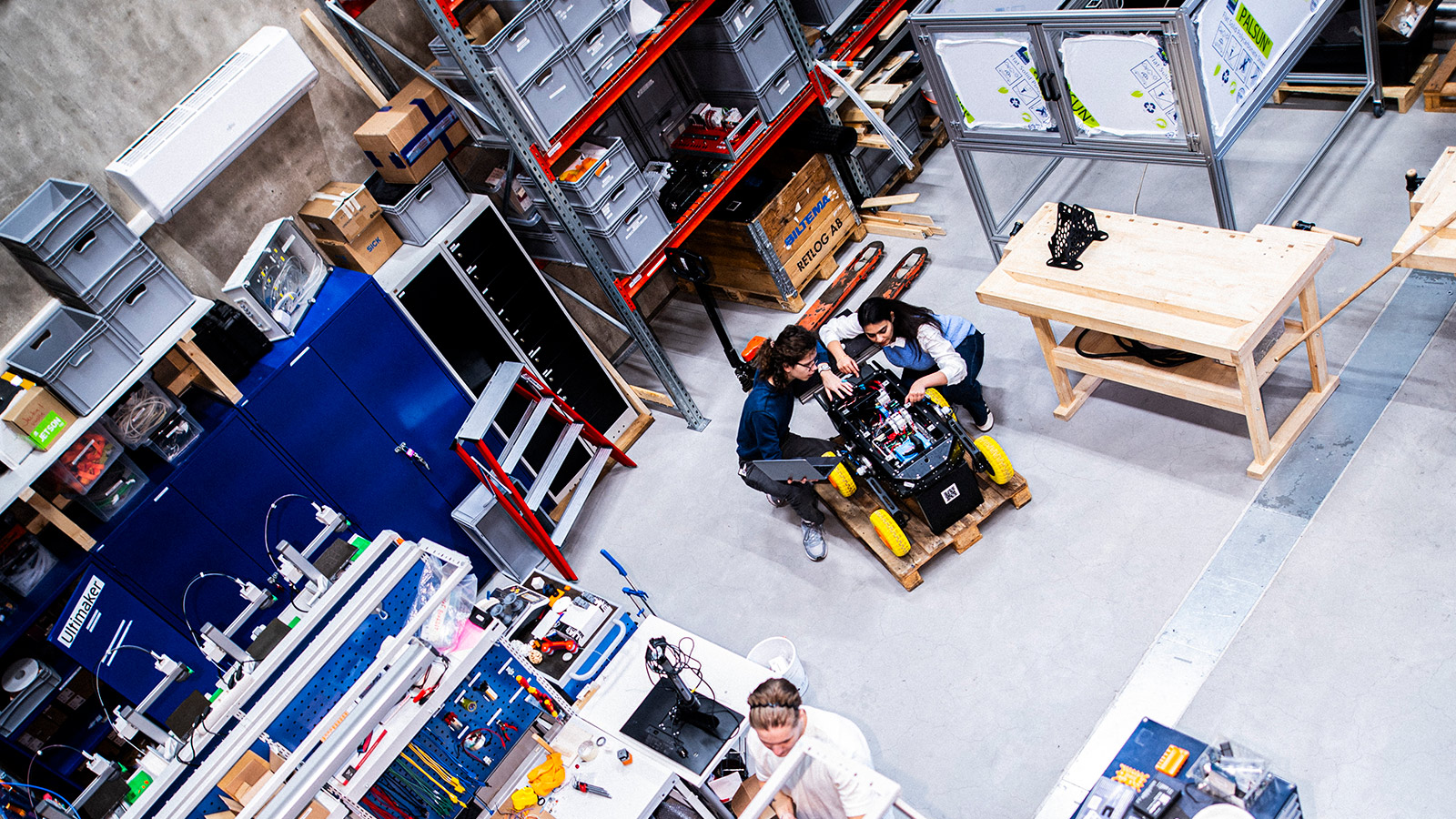
Both Yasin and Nykopp emphasise that one of the programme's most important objectives is to develop students' ability to think independently.
Robotics combines several engineering disciplines, including electronics, electrical engineering, mechatronics and control systems. Rapid technological development also makes continuous learning essential.
“Our aim is not simply for students to complete courses and receive grades. We want them to develop critical thinking skills, investigate problems and find solutions independently,” Yasin emphasises.
Artificial intelligence was another topic discussed during the interviews. AI can support learning and innovation, but it should not replace students' own thinking and problem-solving.
According to Nykopp, practical engineering skills and the ability to solve problems in the physical world will remain important in a changing job market.
Building a Robotics Community at Myyrmäki Campus
The Robotics degree programme is still in its early stages, and its development is ongoing. The teaching team is actively considering student feedback and exploring ways to adapt the programme to future needs.
Looking ahead, Nykopp hopes to establish a robotics-related startup community at Metropolia's Myyrmäki campus. The vision is to create a hub that brings together students, experts, research activities and new business ideas.
Yasin also highlights the importance of involving students in research and development activities during their studies.
The long-term goal is to educate graduates who are not only capable of using existing technologies, but also have the skills and confidence to develop new solutions.
For first-year student Mirve Saarainen, the best advice for anyone considering robotics studies is simple:
“It's always worth giving it a try. If something interests you, go for it. You never know – you might end up finding it even more interesting than you expected.”
See also

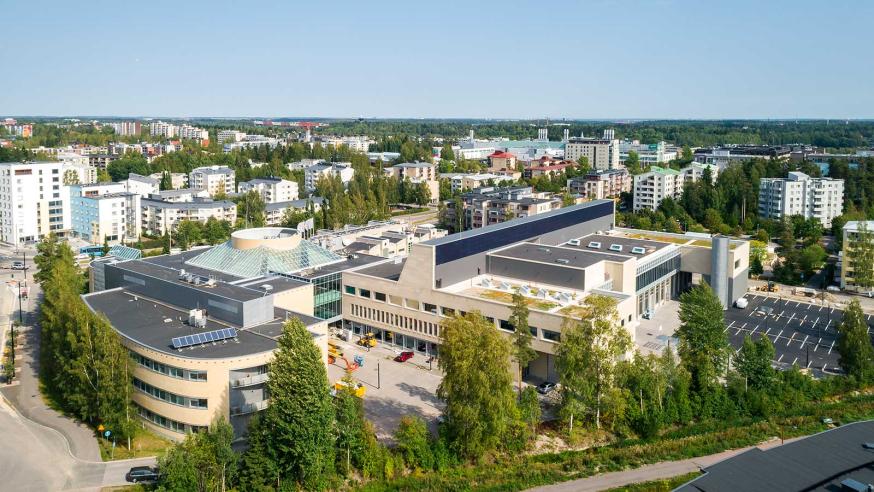
Garage - robotics and artificial intelligence workshops
In Garage companies can respond to global challenges with the help of robotics, artificial intelligence and new technologies.
