

XR-SPACE project
Edge-Powered XR for Real-Time Telepresence, Remote Operations, and Smart Analytics
The project was finished at the end of December 2025.

The XR-SPACE (XR Simulation and Presence at the Cloud Edge) project made use of edge computing to develop XR technologies and techniques for virtual modeling and analysis as well as for transmitting the modelling information over the network in real time. Multichannel data collection and analytics provide means to convert a physical object or scene of interest into a situation-aware virtual model, whose efficient processing, coding, and streaming on the edge cloud platforms create technical conditions for the novel location-independent interaction between humans and/or machines.
Objectives
The project had two main objectives. First, it sought to develop and utilize multi-dimensional analytics of vehicles operating in professional environments, e.g., in heavy, air, and maritime transport. The analytics covers the data collected from the activities of the operator, the device being operated, and the operating environment. Operation can take place in the vehicle, or they can be performed remotely. Applications of interest include both simulated and real operating environments.
The second objective was to take a step forward from the existing cartoon-like telepresence systems and connect remote people virtually with an edge-powered volumetric video communication system that supports real-time holographic-like interaction between multiple participants. The proposed photorealistic interaction can be deployed, e.g., in remote meetings, maintenance, training, and operation.
Impact
The XR-SPACE consortium was made up of a multifaceted and multi-disciplinary blend of top-notch Finnish industry and academic players, which is able to provide an excellent springboard to boost competitiveness of the whole Finnish XR ecosystem.
The ambitious goal of the project was to offer solutions to the global collaborative telepresence and remote-operation markets and find ways to address fundamental societal challenges such as improving safety, reducing ecological footprint and impact on climate change.
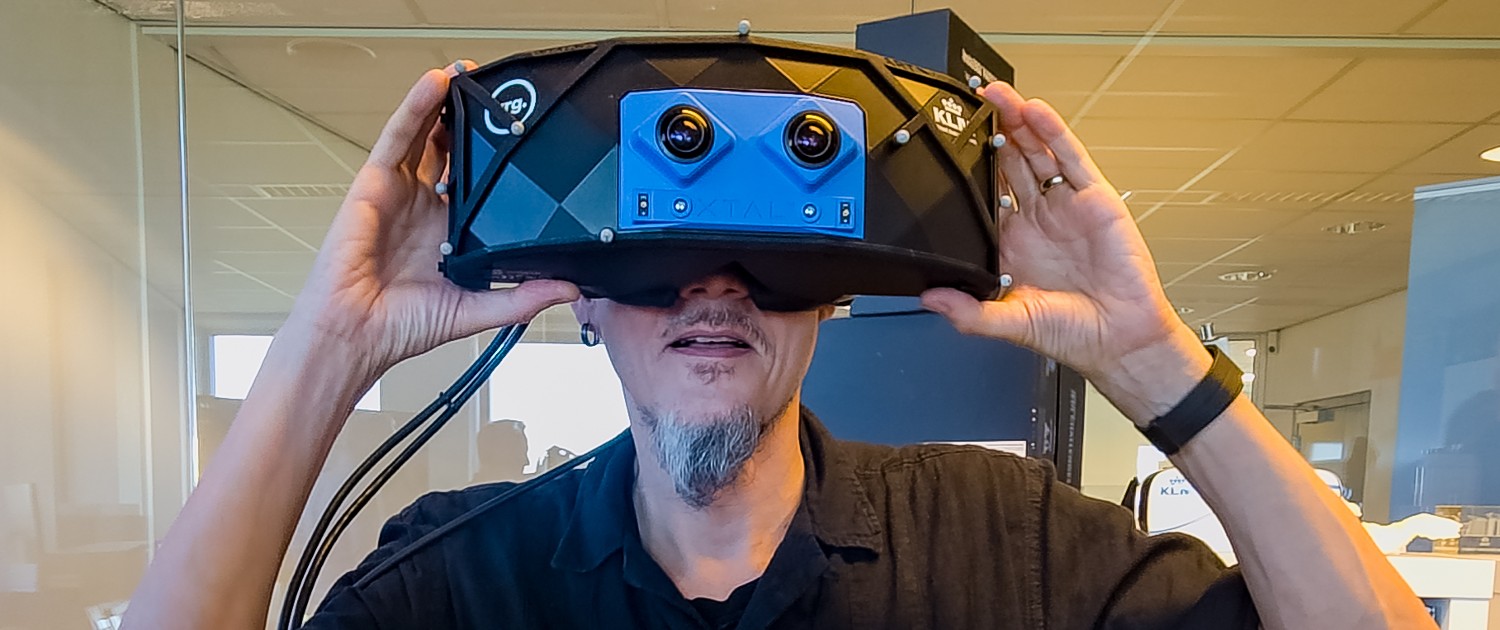

Metropolia’s Clean and Sustainable Solutions Innovation Hub and Helsinki XR Center as research partners
Tampere University coordinated the project. Clean and Sustainable Solutions Innovation Hub and Helsinki XR Center from Metropolia UAS operated as research partners in the project. Other partners were nine companies in the field: Nokia, Creanex, Finnair, Groke Technologies, Pohjola Vakuutus, SAAB Finland, Softability XReach, Taipale Telematics and Varjo (In-Kind).
“The XR-SPACE project uniquely combines two high-tech research units at Metropolia with leading Finnish industrial companies in the field. The project continues long-term changes developed in transport, both in terms of increased safety and new services”, Oscar Nissin, Theme Lead for Smart Mobility at Metropolia UAS, described the project.
Funding
XR-SPACE project was funded by Business Finland and operated from June 2022 to end of December 2025.
Contact
Project Leader
Markku Turunen
Professor of Interactive Technology
Tampere University
markku.turunen [at] tuni.fi (markku[dot]turunen[at]tuni[dot]fi)
Contact persons at Metropolia
Member of the Steering Group
Oscar Nissin
Theme Lead for Smart Mobility
Clean and Sustainable Solutions Innovation Hub
oscar.nissin [at] metropolia.fi (oscar[dot]nissin[at]metropolia[dot]fi)
Project Team Leader
Jenna Koskinen
Project Manager
Clean and Sustainable Solutions Innovation Hub
jenna.koskinen [at] metropolia.fi (jenna[dot]koskinen[at]metropolia[dot]fi)
Project Expert
Santeri Saarinen
Technology Expert
Helsinki XR Center
santeri.saarinen [at] helsinkixrcenter.com (santeri[dot]saarinen[at]helsinkixrcenter[dot]com)
Project Communications
Katariina Saarela
Communications Specialist
Smart and Creative Innovation Hub
katariina.saarela [at] metropolia.fi (katariina[dot]saarela[at]metropolia[dot]fi)
- Tekes / Business Finland